
When Sgt. First Class Andrew Zellar began basic training at Fort Leonard Wood, Missouri, on June 6, 2006, he thought he knew what his career in military service would look like.
Twenty years later, as he moves on from years as a military science instructor at Syracuse University and prepares to retire later this year from the New York Army National Guard, he reflects on a career that took unexpected turns and allowed him to impact hundreds of lives in ways he never imagined.
“The most unexpected part was the chance to have the assignment at ROTC. I had a vague understanding of what I would be doing, but my experience was a lot more rewarding than I expected,” Zellar says. “The thing I am most proud of is seeing past soldiers and cadets performing in the Army and in life.”
Zellar’s journey began like many of his generation, shaped by the events of Sept. 11, 2001. Fresh out of high school in 2004, the Cazenovia native wanted to serve, but his parents encouraged him to pursue college first.
After two years, the pull toward service won out. He enlisted in the Army National Guard as a military police officer, initially planning to combine service with the Reserve Officers’ Training Corps (ROTC).
When plans to deploy overseas did not materialize, Zellar found himself in limbo—until an opportunity emerged that would define his career.
Finding His Calling in Recruiting
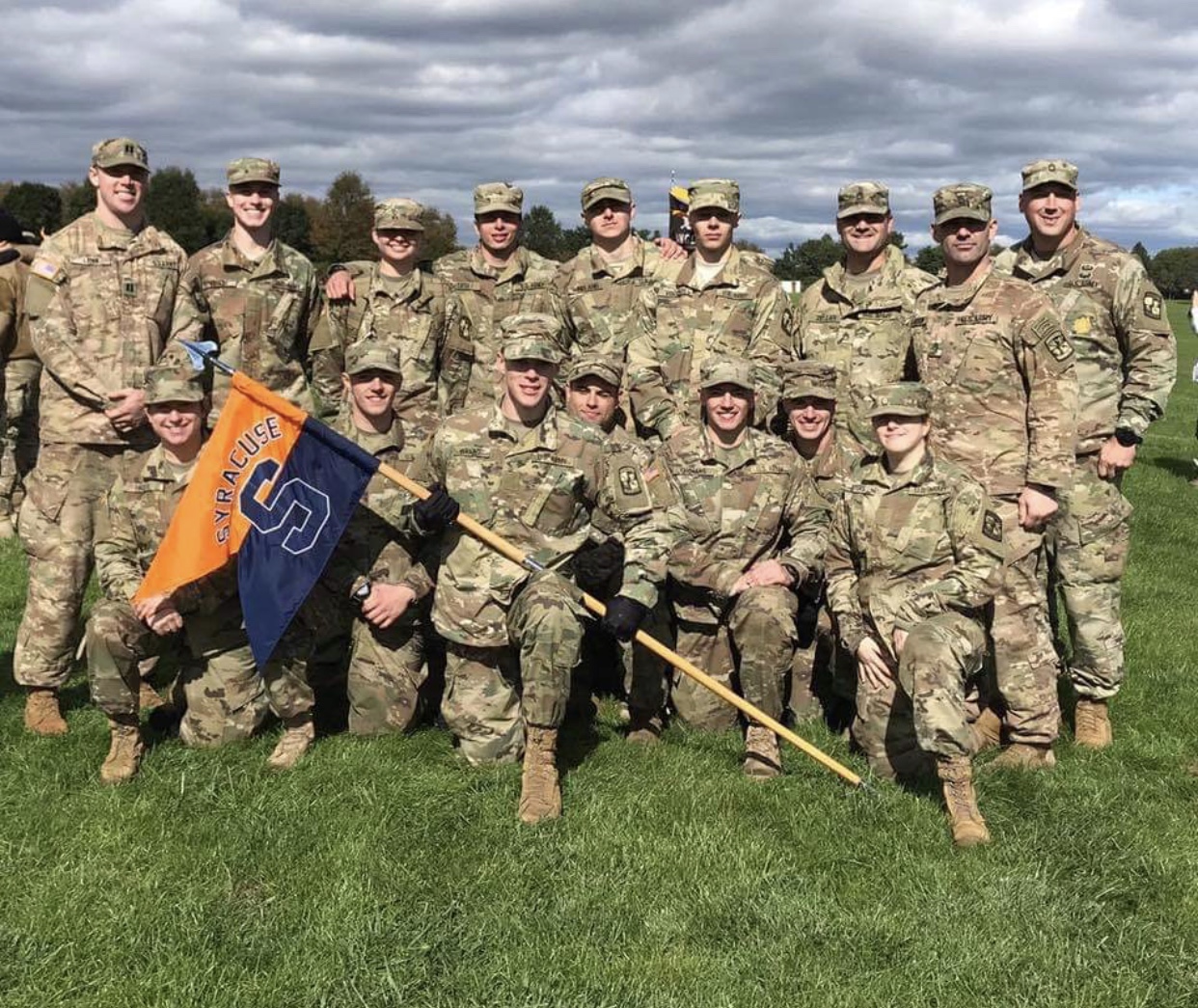
In 2007, during one of the most challenging periods for military recruiting, Zellar stepped into a role that would test every interpersonal skill he possessed. The economy was collapsing, wars in Iraq and Afghanistan were intensifying, and the National Guard needed people who could connect with potential recruits and their families.
“Most people that join the military always have a desire to do it,” Zellar says. “It’s just that the opportunity to do it has to intersect with the motivation.”
He saw this firsthand at career fairs, where he met not teenagers but 25- and 30-year-old adults with impressive resumes who simply had no jobs. The 2008 economic crisis had created both challenges and opportunities for recruiting.
His approach was simple but demanding: show up.
“I probably failed more than I succeeded in a lot of things, but I would just show up,” he says. That first year, he worked every single day, meeting potential recruits whenever and wherever they needed—late nights, weekends, holidays.